

|
<< BACK TO LAUGHING BOY BOOKS | BOOKSHOP UPDATES >>
NAVIGATE THIS PAGE: Review: The Forest of Hands and Teeth | More Dystopian Young Adult Books on Bookshop >>
NAVIGATE THIS PAGE: Review: The Forest of Hands and Teeth | More Dystopian Young Adult Books on Bookshop >>
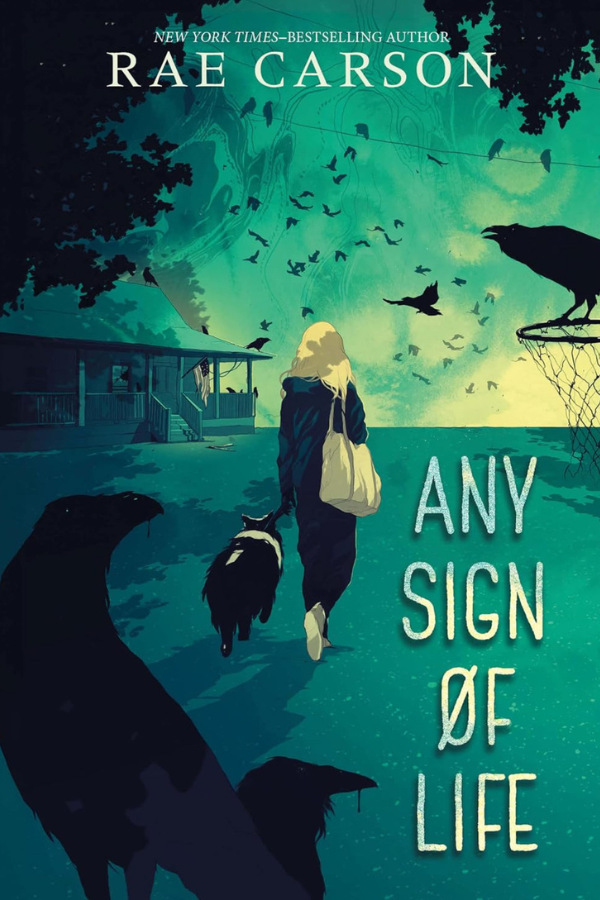
Paige is a warrior. She pushes through her fear and her grief and gets through each day scrounging for food, for shelter, for safety. As she struggles with her new reality, Paige learns that the apocalypse did not happen by accident. And that there are worse things than being alone.
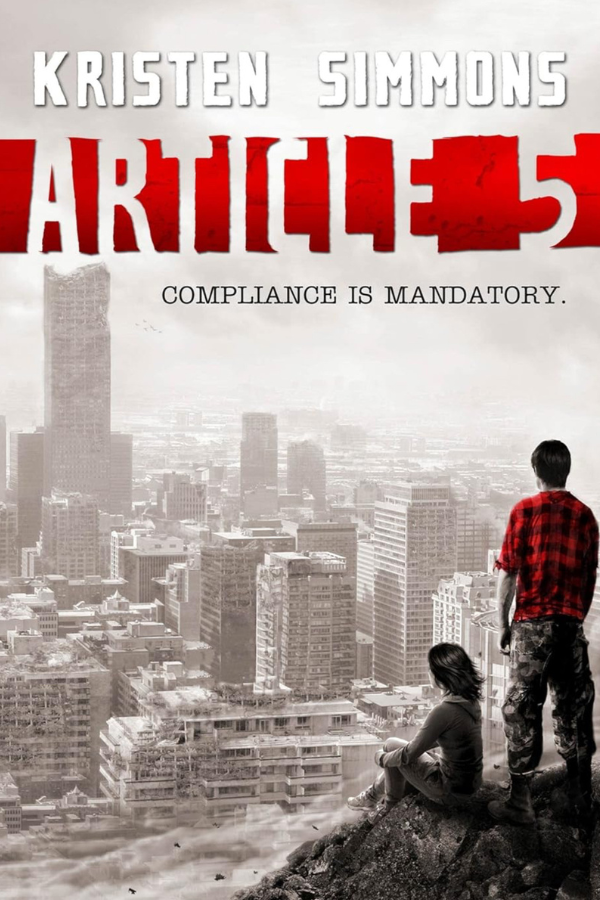
The Bill of Rights has been revoked and replaced with the Moral Statutes. There are no more police — instead, there are soldiers. Ember has perfected the art of keeping a low profile. until her mother is arrested for noncompliance with Article 5 of the Moral Statutes.
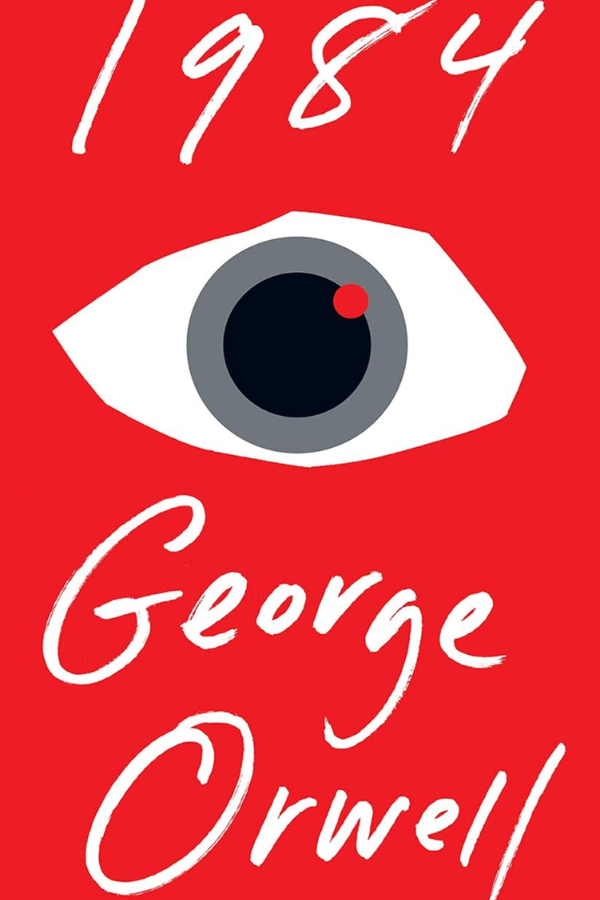
1984 has come and gone, but George Orwell's prophetic, nightmare vision in 1949 of the world we were becoming is timelier than ever. This is a startling original and haunting novel that creates an imaginary world that is completely convincing from the first sentence to the last four words.
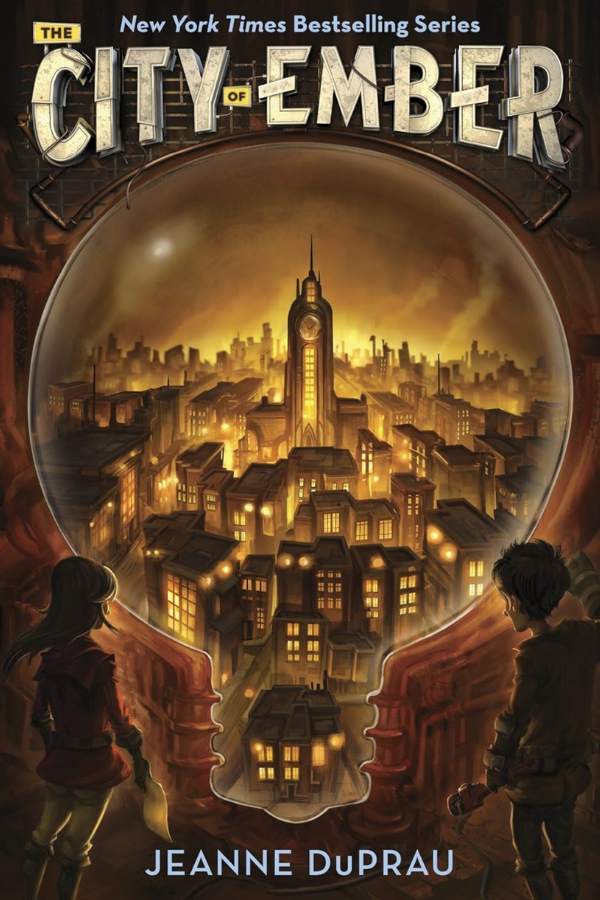
The city of Ember was built as a last refuge for the human race. Two hundred years later, the great lamps that light the city are beginning to dim. When Lina finds part of an ancient message, she's sure it holds a secret that will save the city.
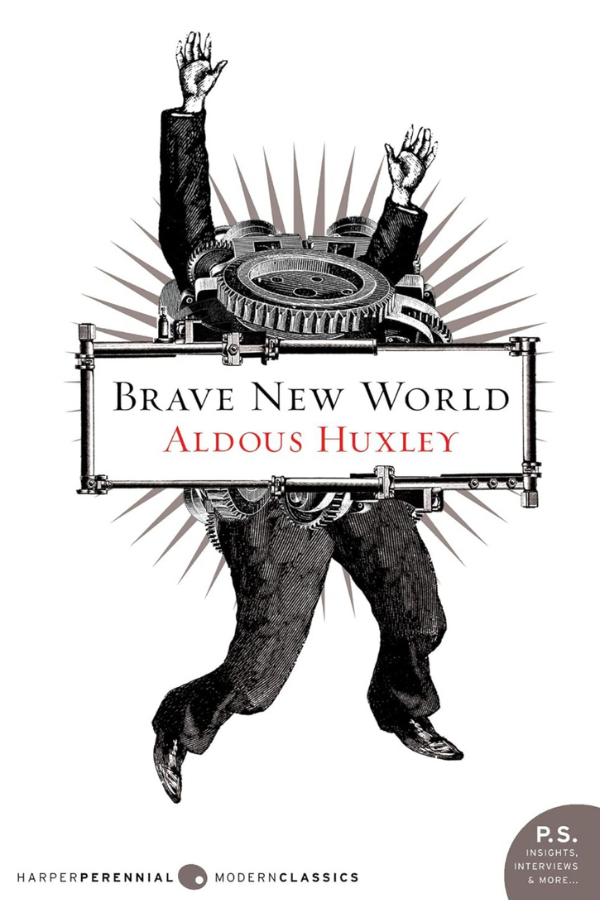
Written in the shadow of the rise of fascism during the 1930s, Brave New World likewise speaks to a 21st-century world dominated by mass-entertainment, technology, medicine and pharmaceuticals, the arts of persuasion, and the hidden influence of elites.
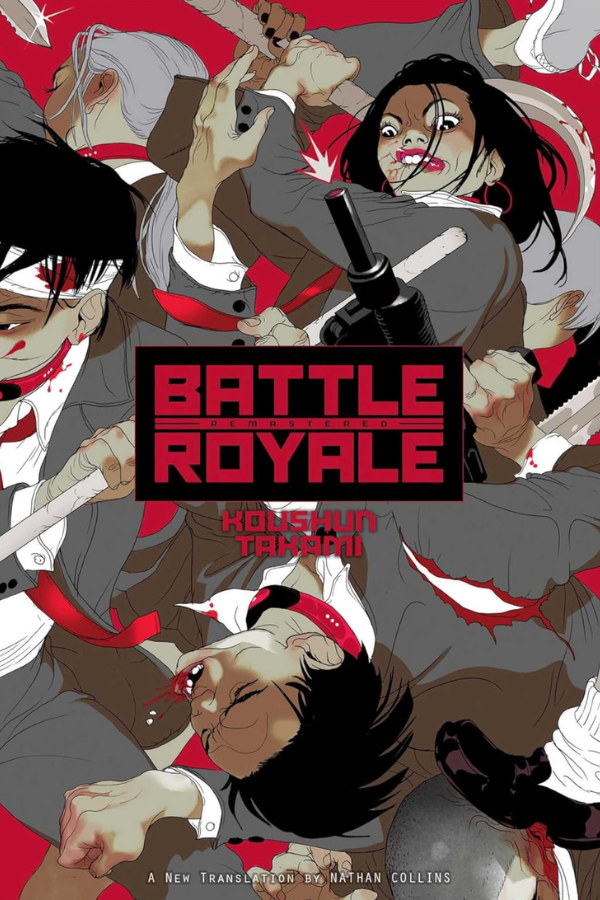
In a dystopian future Japan, forty-two junior high school students are outfitted with weapons and bid to kill one another until there is only one left standing.
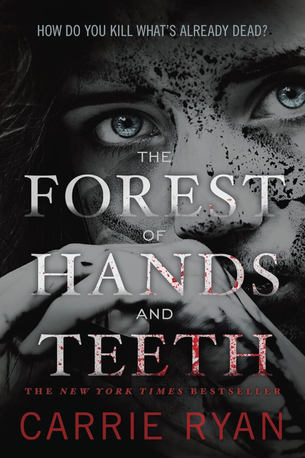
THE FOREST OF HANDS AND TEETH
By Carrie Ryan
MY REVIEW: Not every great book has a great title, but it helps. I know, I know, you aren't supposed to judge literature by anything so trivial, but we all do it right? And let's face it, The Forest of Hands and Teeth is a great title and terribly evocative of the book's plot. Do you already know it's about zombies?
In this particular zombie apocalypse story, humankind has seemingly been reduced to a single medieval outpost surrounded by an endless forest filled with what the villagers call "The Unconsecrated," a gruesome hoard of cannibalistic zombies. The villagers' only protection is a high chain link fence built long before anyone was born by ancestors no one knows much about. There are two gates leading to fenced-in paths, but no one knows where these paths lead or who built them. In fact, it's been such a long time since the apocalypse took place, that no one in the village even remembers what the rest of the world is like... And absolutely no one is encouraged to find out. This dystopian order is enforced by The Sisterhood, a highly secretive all-female religious order who controls everything from vocation to reproduction. Enter Mary, our protagonist who is already a thorn in the side of nearly everyone in the village because she asks too many questions and, in typical teenage fashion, resists the edicts of The Sisterhood and the controlled order of the village.
But The Sisterhood has a citadel full of secrets, the biggest being the presence of a girl named Gabrielle, an apparent refugee from parts unknown who arrived at the village using one of the enclosed pathways. But before Mary can unlock the enigma of the newcomer, The Sisterhood sacrifices her to The Unconsecrated outside the fence. Gabrielle turns into a zombie unlike any other in the Forest of Hands and Teeth. Fast-moving and apparently more cunning, she leads the mass of undead on a successful incursion into the village.
In an almost Faustian turn of events, Mary, the girl who wanted to see the world and escape her repressive society gets both of her wishes, but at a terrible cost. There are moments in the book, especially toward the end, where the action drags, but overall the book is well-paced and engaging. One point of irritation is that the book raises more questions than it answers as an obvious set-up for the volumes to follow.
By Carrie Ryan
MY REVIEW: Not every great book has a great title, but it helps. I know, I know, you aren't supposed to judge literature by anything so trivial, but we all do it right? And let's face it, The Forest of Hands and Teeth is a great title and terribly evocative of the book's plot. Do you already know it's about zombies?
In this particular zombie apocalypse story, humankind has seemingly been reduced to a single medieval outpost surrounded by an endless forest filled with what the villagers call "The Unconsecrated," a gruesome hoard of cannibalistic zombies. The villagers' only protection is a high chain link fence built long before anyone was born by ancestors no one knows much about. There are two gates leading to fenced-in paths, but no one knows where these paths lead or who built them. In fact, it's been such a long time since the apocalypse took place, that no one in the village even remembers what the rest of the world is like... And absolutely no one is encouraged to find out. This dystopian order is enforced by The Sisterhood, a highly secretive all-female religious order who controls everything from vocation to reproduction. Enter Mary, our protagonist who is already a thorn in the side of nearly everyone in the village because she asks too many questions and, in typical teenage fashion, resists the edicts of The Sisterhood and the controlled order of the village.
But The Sisterhood has a citadel full of secrets, the biggest being the presence of a girl named Gabrielle, an apparent refugee from parts unknown who arrived at the village using one of the enclosed pathways. But before Mary can unlock the enigma of the newcomer, The Sisterhood sacrifices her to The Unconsecrated outside the fence. Gabrielle turns into a zombie unlike any other in the Forest of Hands and Teeth. Fast-moving and apparently more cunning, she leads the mass of undead on a successful incursion into the village.
In an almost Faustian turn of events, Mary, the girl who wanted to see the world and escape her repressive society gets both of her wishes, but at a terrible cost. There are moments in the book, especially toward the end, where the action drags, but overall the book is well-paced and engaging. One point of irritation is that the book raises more questions than it answers as an obvious set-up for the volumes to follow.
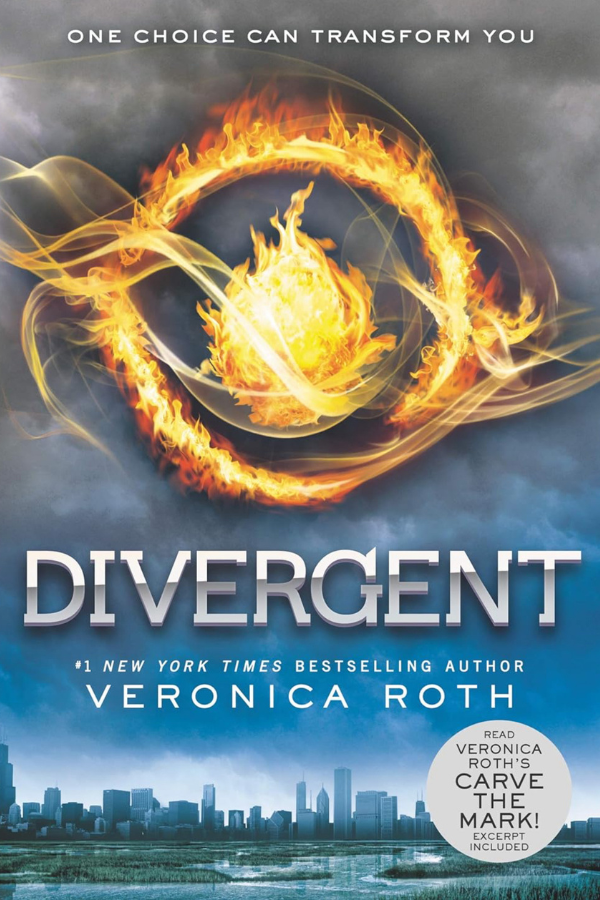
Beatrice's society is divided into five factions — Candor (the honest), Abnegation (the selfless), Dauntless (the brave), Amity (the peaceful), and Erudite (the intelligent). Beatrice must choose between staying with her Abnegation family and transferring factions. Her choice will shock her community.
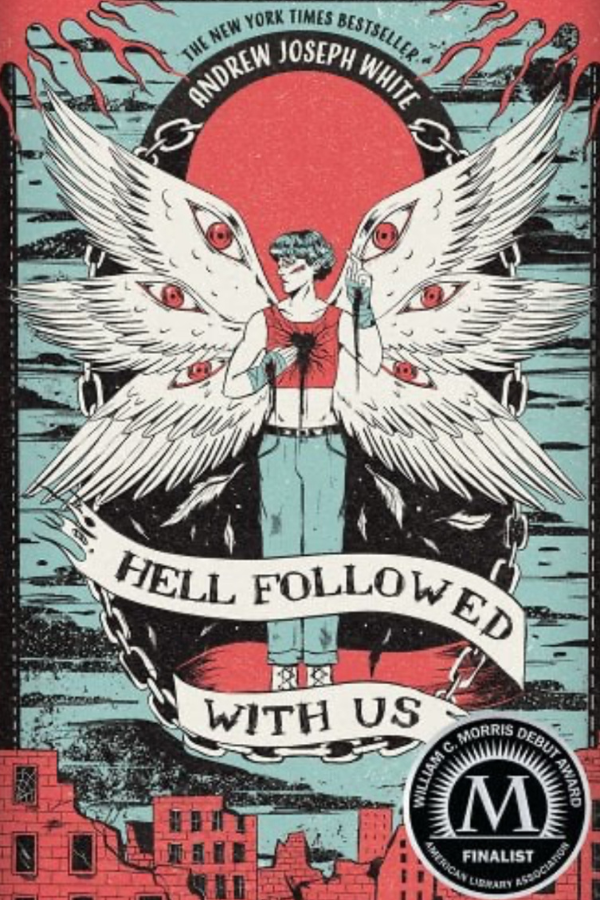
Sixteen-year-old trans boy Benji is on the run from the cult that raised him--the fundamentalist sect that unleashed Armageddon and decimated the world's population. Desperately, he searches for a place where the cult can't get their hands on him, or more importantly, on the bioweapon they infected him with.
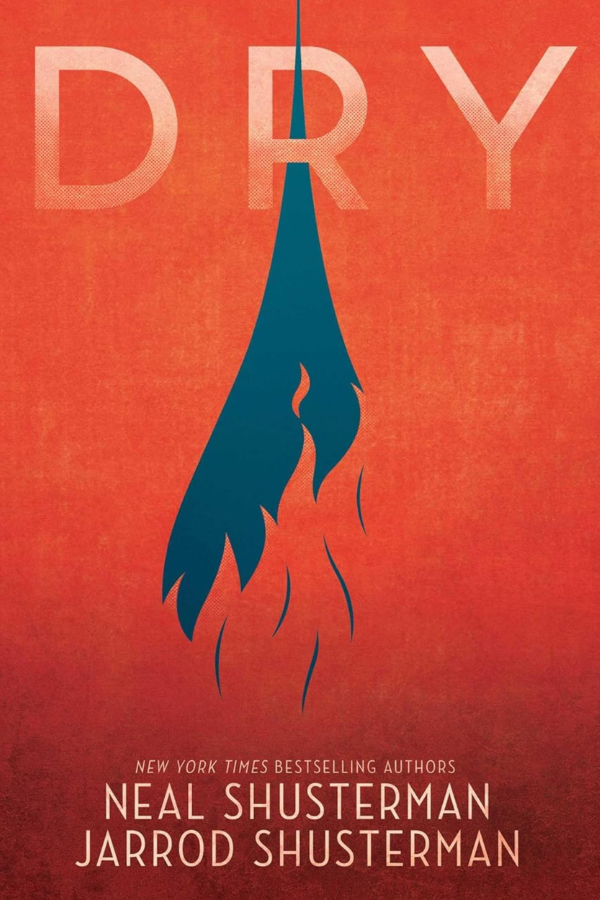
Alyssa's quiet suburban street spirals into a warzone of desperation; neighbors and families turned against each other on the hunt for water. When her family is threatened, Alyssa has to make impossible choices if she's going to survive.
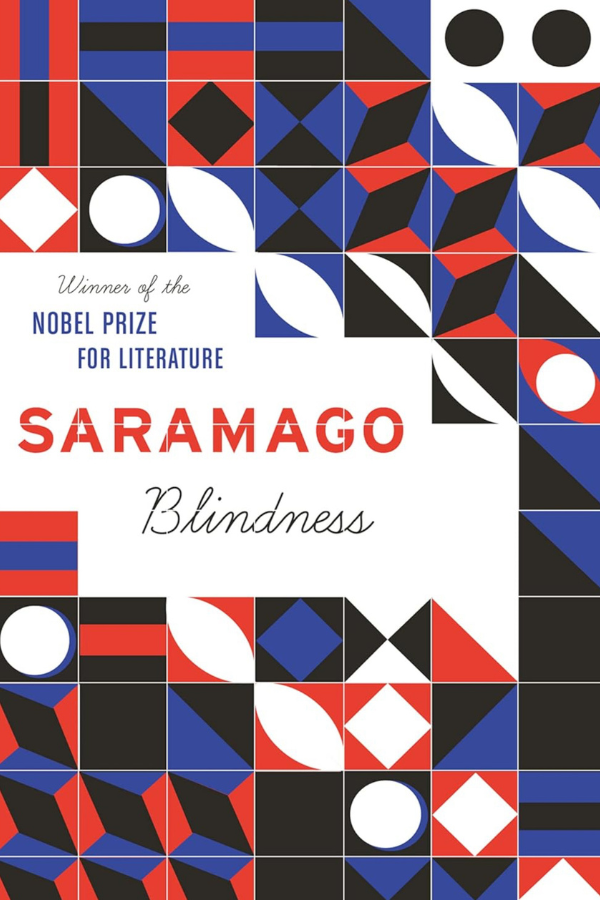
A city is hit by an epidemic of "white blindness" which spares no one. Authorities confine the blind to an empty mental hospital, but there the criminal element holds everyone captive, stealing food rations and raping women. A magnificent parable of loss and disorientation,
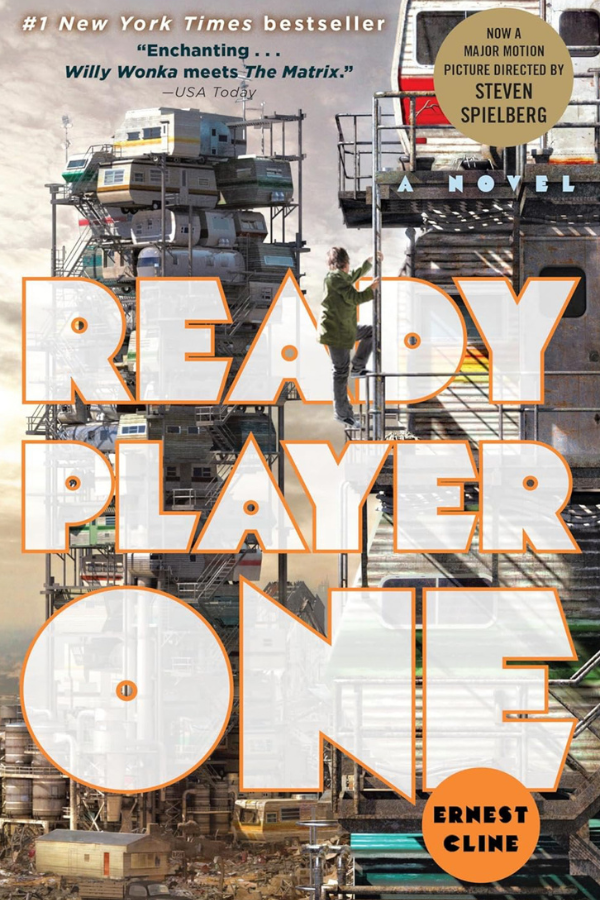
A world at stake. A quest for the ultimate prize. Are you ready?In the year 2045, reality is an ugly place. The only time Wade Watts really feels alive is when he's jacked into the OASIS, a vast virtual world where most of humanity spends their days.
When global climate change and economic crises lead to social chaos in the early 2020s, California becomes full of dangers, from pervasive water shortage to masses of vagabonds who will do anything to live to see another day.
One touch, and Juliette Ferrars can leave a fully grown man gasping for air. No one knows why Juliette has such incredible power. But The Reestablishment sees it as a gift, sees her as an opportunity. An opportunity for a deadly weapon.
it's the dawn of the 5th wave, and on a lonely stretch of highway, Cassie runs from Them — beings who only look human and roam the countryside killing anyone they see. To stay alone is to stay alive, Cassie believes, until she meets Evan Walker...
No one speaks of the grace year. It's forbidden. In Garner County, girls are banished for their sixteenth year to release their magic into the wild so they can return purified and ready for marriage. But not all of them will make it home alive.
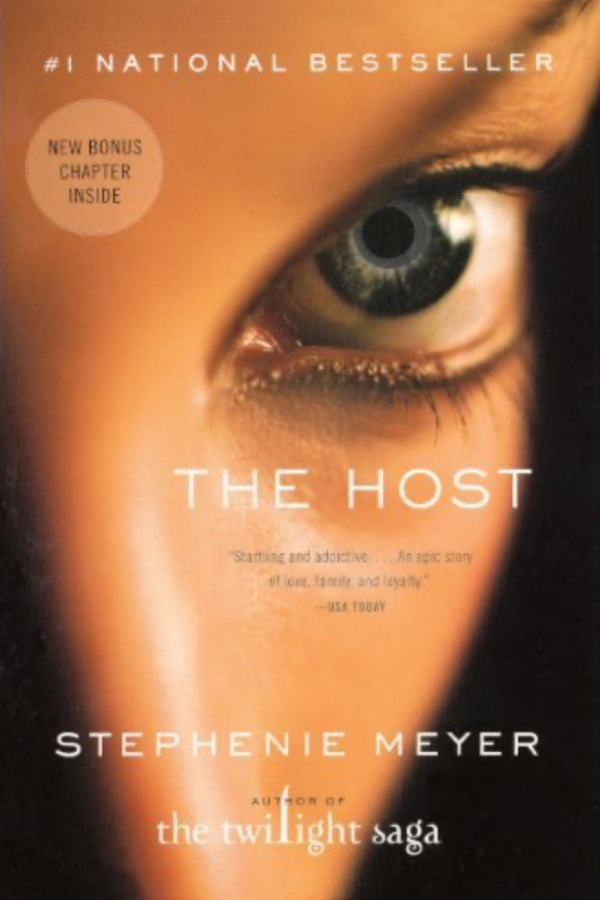
Wanderer, the invading soul who has been given Melanie's body, knew about the challenges of living inside a human: the overwhelming emotions, the too vivid memories. But there was one difficulty Wanderer didn't expect: the former tenant of her body refusing to relinquish possession of her mind.
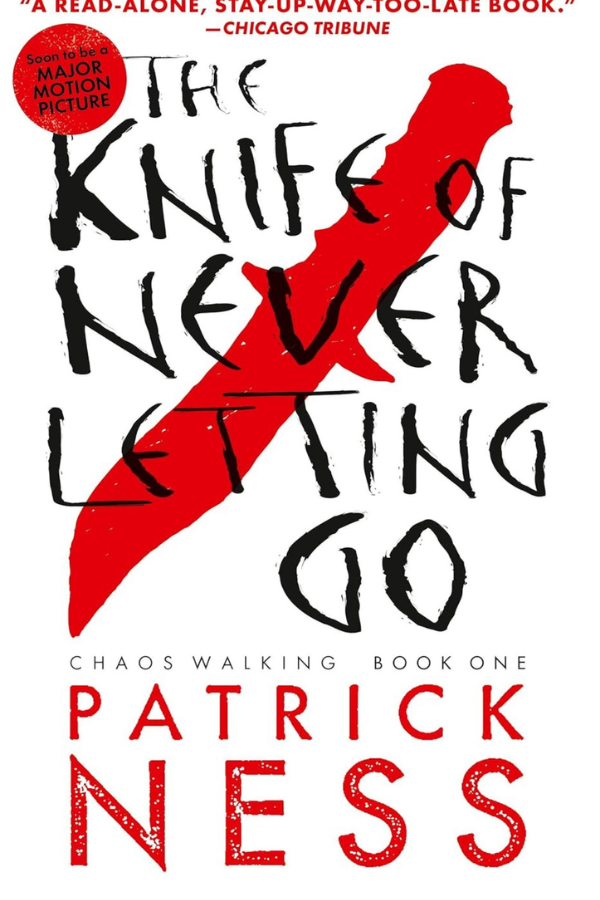
Ever since the settlers were infected with the Noise germ, Todd can hear everything the men think, and they hear everything he thinks. Todd is just a month away from becoming a man, but he knows that the town is hiding something from him!
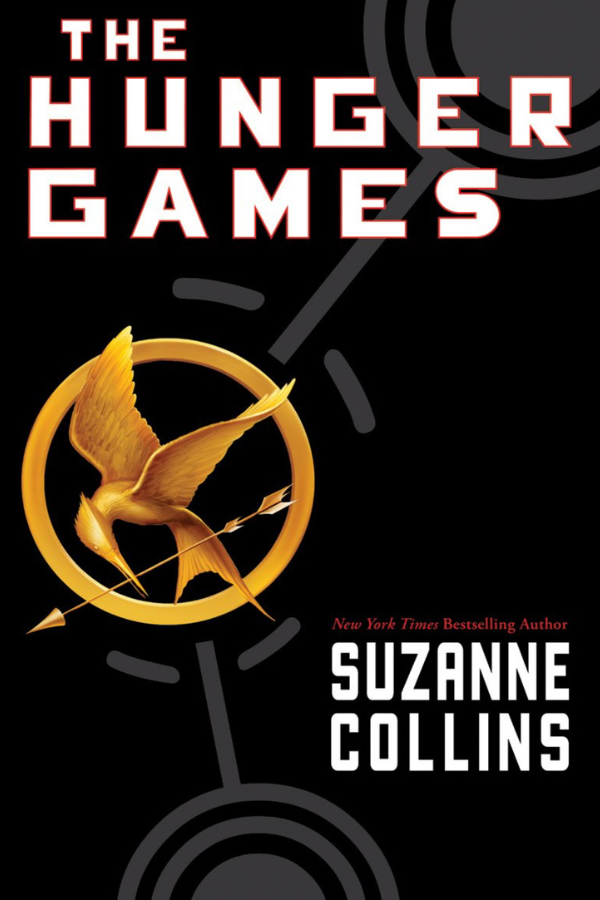
The Capitol is harsh and cruel and keeps the districts in line by forcing them all to send one boy and one girl between the ages of twelve and eighteen to participate in the annual Hunger Games, a fight to the death on live TV.
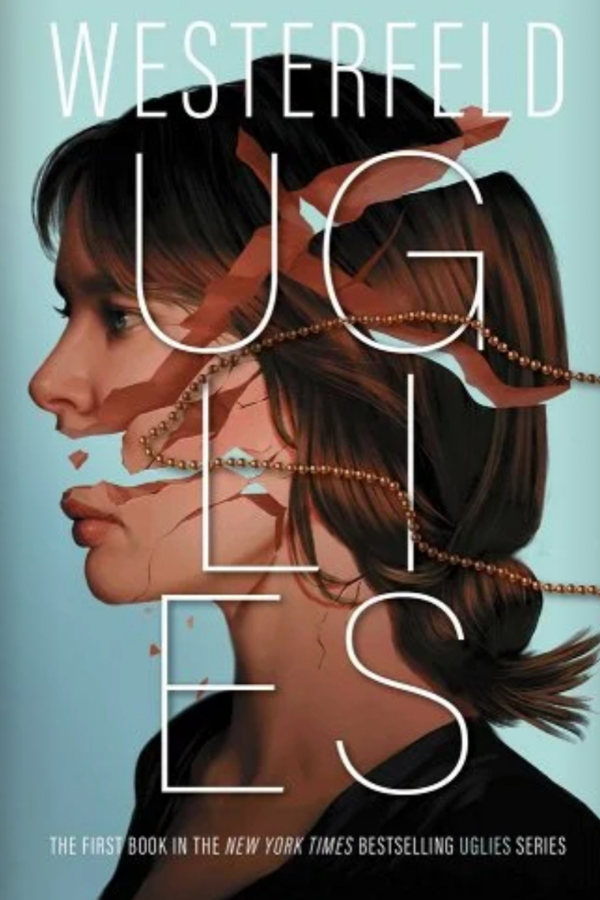
Tally is about to turn sixteen, and she can’t wait. In just a few weeks she’ll have the operation that will turn her from a repellent ugly into a stunningly attractive pretty. And as a pretty, she’ll be catapulted into a high-tech paradise where her only job is to have fun.
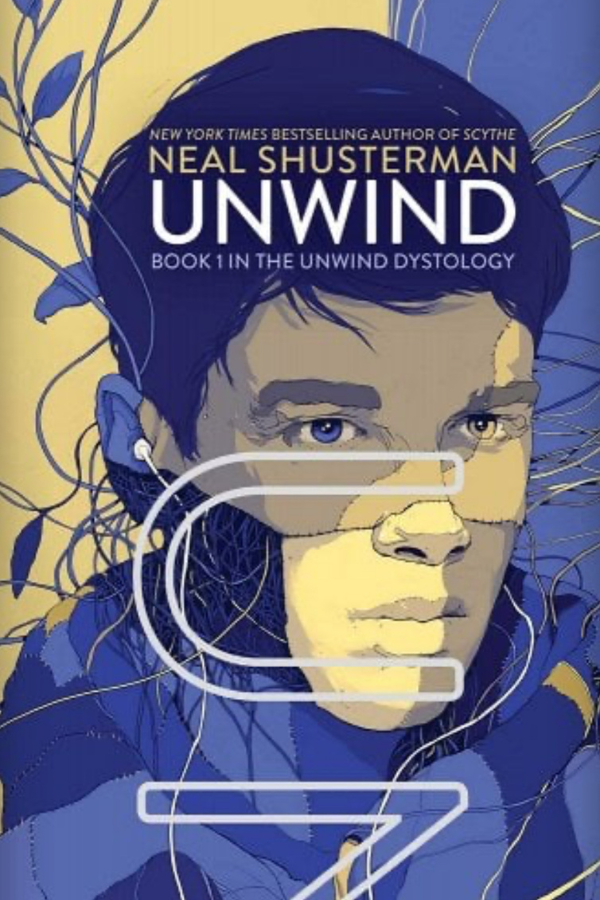
After America's Second Civil War, the Pro-Choice and Pro-Life armies came to an agreement. According to their Bill of Life, human life may not be terminated from the moment of conception until the age of thirteen. But between the ages of thirteen and eighteen, the child may be gotten rid of by their parent through a process called "unwinding."
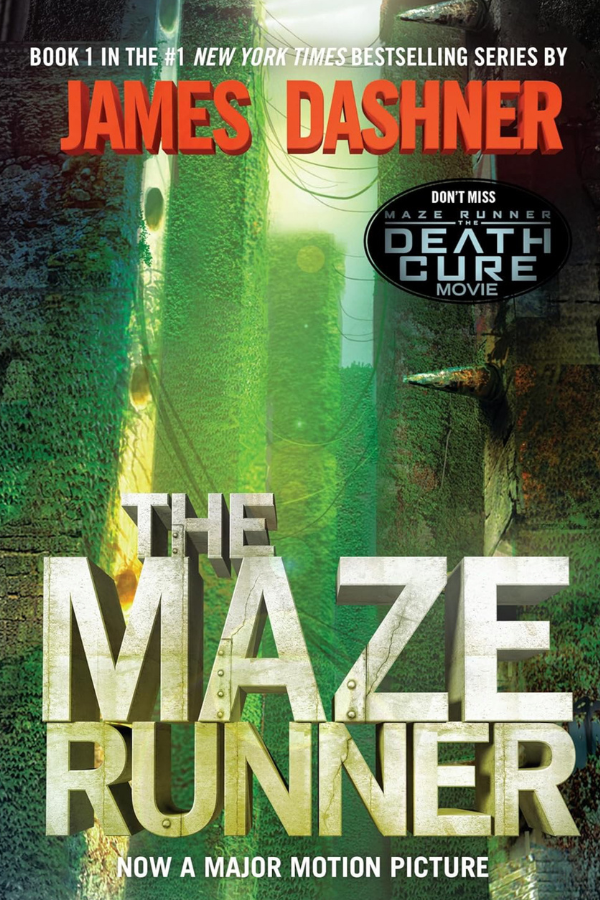
When Thomas wakes up in the lift, the only thing he can remember is his name. He's surrounded by strangers — boys whose memories are also gone. Outside the towering stone walls that surround them is a limitless, ever-changing maze. It's the only way out — and no one's ever made it through alive.
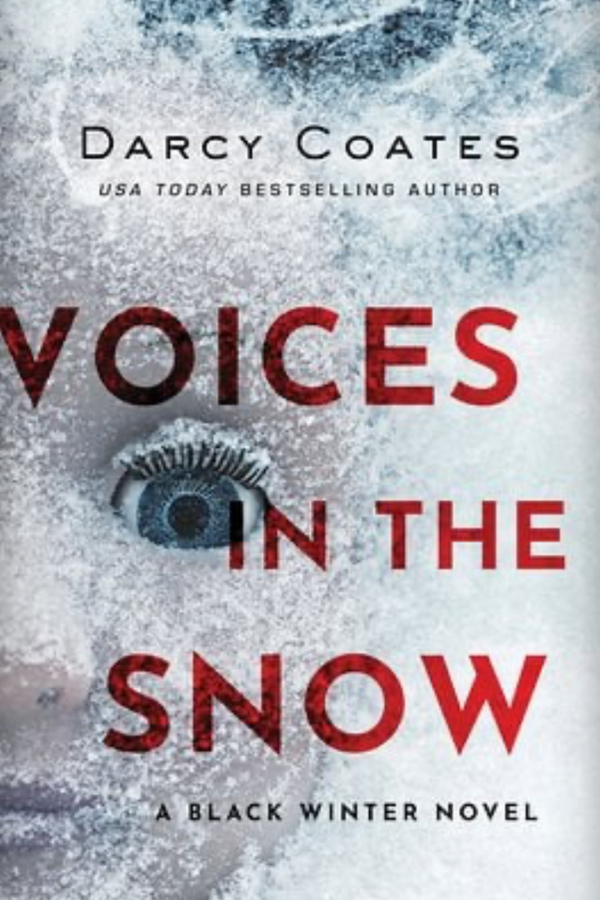
Clare remembers dark shapes in the snow and a terror she can't explain. And then... nothing. When she wakes, aching and afraid in a stranger's gothic home, he tells her she was in an accident, a crash in the snow. He claims he saved her.
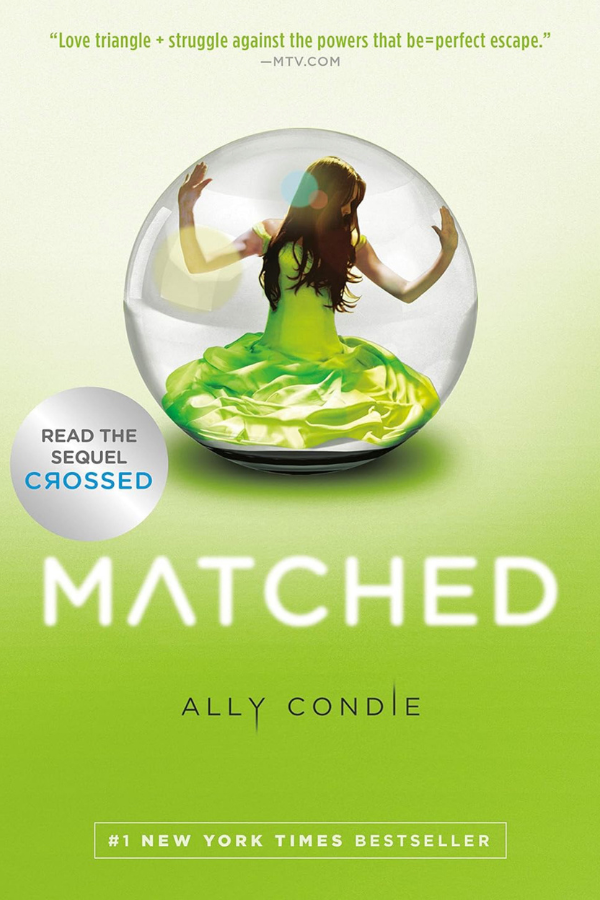
Cassia has always trusted the Society's choices. And when her best friend appears on the Matching screen, she is certain he's the one — until she sees another face flash for an instant before the screen fades to black.
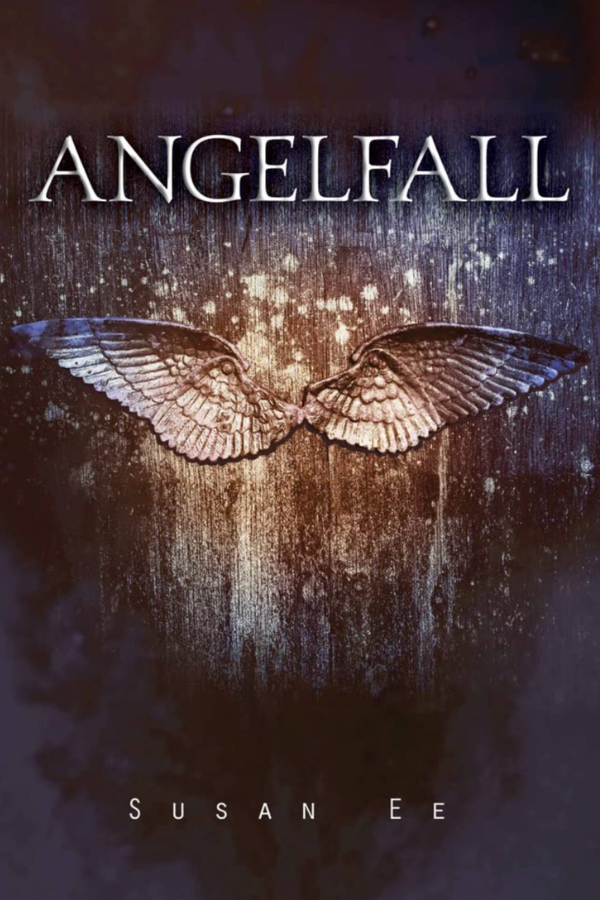
It's been six weeks since angels of the apocalypse descended to demolish the modern world. Street gangs rule the day while fear and superstition rule the night. When warrior angels fly away with a helpless little girl, her seventeen-year-old sister Penryn will do anything to get her back.

Strikers are loyal. With a willingness to do anything — including sacrifice their own lives — to defend Mara, the world's last free nation. As a Striker, Talin lets nothing distract her from keeping the evil Federation and its army mutant beasts at bay.
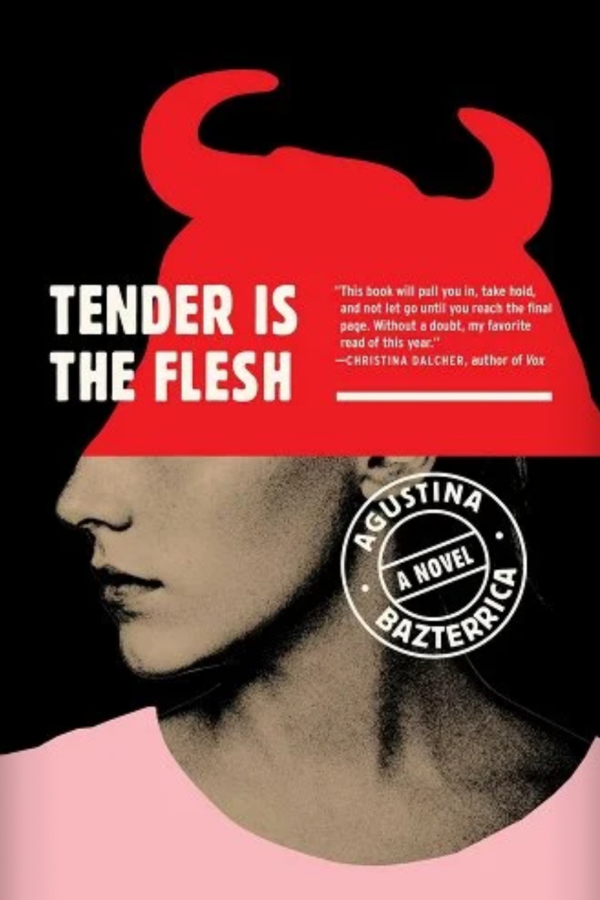
Working at the local processing plant, Marcos is in the business of slaughtering humans.Then one day he's given a gift: a live specimen of the finest quality. Little by little he starts to treat her like a human being...
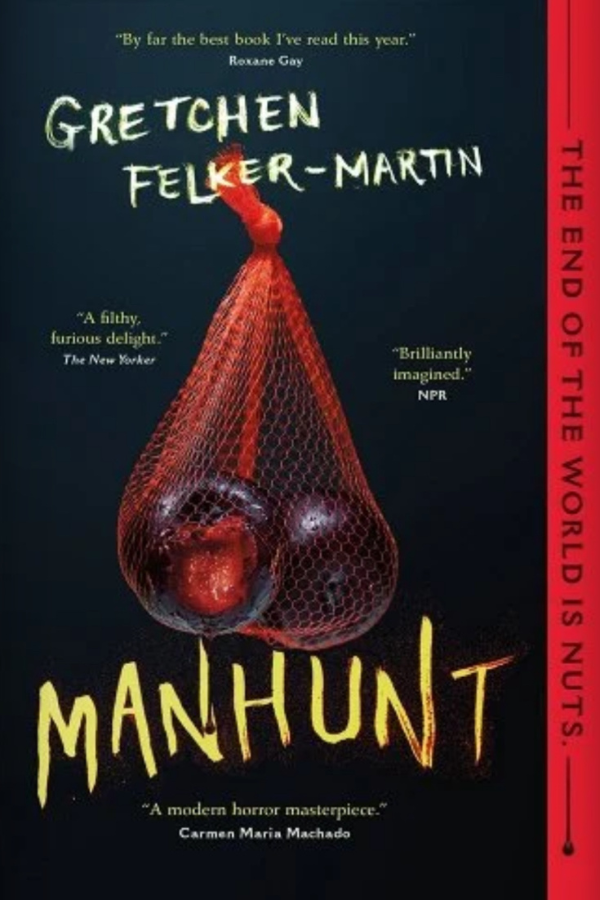
Beth and Fran spend their days hunting feral men and harvesting their organs in a gruesome effort to ensure they'll never face the same fate. Robbie lives by his gun. After an accident entwines the three of them, this found family of survivors must navigate this brutal world.